Table Of Content
- Can certain health conditions affect the recovery period from sea legs?
- Medical Interventions for Sea Legs
- What Causes Motion Sickness On A Cruise?
- What are the symptoms of mal de débarquement syndrome (MdDS)?
- Specifics of After Cruise Motion Sickness
- Can the feeling of sea legs reoccur after subsequent cruises?
- Treatment Options Are Out There

Over the years, this root origination has been modified to a simpler ‘finding sea legs’ idiom.
Can certain health conditions affect the recovery period from sea legs?
After a few months of therapy, most people feel better and the persistent motion sensation no longer bothers them. However, another cruise — or whatever activity triggered mal de debarquement — can bring on another episode. If your diagnosis is mal de debarquement, your doctor will likely send you to a physical therapist who specializes in vestibular rehabilitation.
Medical Interventions for Sea Legs

By fostering strong relationships and open lines of communication, I am able to ensure that all aspects of your cruise experience are seamlessly orchestrated. When you experience sea legs, the lingering sensation of being on a moving ship can persist for a period of time even after your cruise has ended. Have you ever experienced a wobbly feeling in your legs after stepping off a cruise ship?
Brock Eagle flying high over the sea in new role as Carnival cruise director on ship's first voyage - Weatherford Democrat
Brock Eagle flying high over the sea in new role as Carnival cruise director on ship's first voyage.
Posted: Tue, 10 Oct 2023 07:00:00 GMT [source]
What Causes Motion Sickness On A Cruise?
People may feel anxious or nervous about the sensation of swaying or rocking, especially if they are not used to it. This can be exacerbated by other factors, such as the fear of falling or the fear of being out of control. Additionally, older adults may be more susceptible to sea legs due to age-related changes in the vestibular system. This can cause a decrease in balance and coordination, making it more difficult to adjust to the motion of a ship. This can result in discomforting symptoms like dizziness, nausea, and disorientation.
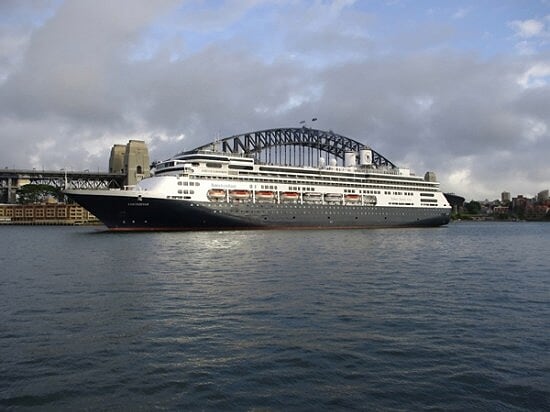
This is known as after cruise motion sickness or mal de debarquement syndrome (MDDS). Vestibular rehabilitation or physical therapy can help retrain the brain and inner ear to adjust to being on land again. A trained therapist can provide exercises and techniques to reduce symptoms of sea legs and improve balance. Staying hydrated is important for overall health and can also help prevent or alleviate symptoms of sea legs. Drinking plenty of water and avoiding alcohol and caffeine can help regulate the body's fluid levels and reduce dizziness and nausea.
Drinking plenty of fluids, getting fresh air, and staying cool can help minimize the symptoms. Avoiding alcohol and caffeine, and taking over-the-counter medication such as Bonine or Dramamine can also help alleviate the symptoms. Taking time to recover from the physical strains of the voyage and hydrating amply can help restore balance and prevent exacerbating symptoms like dizziness and nausea. Factors like the size and speed of the ship, the length of the cruise, the weather during the voyage, and the time spent onboard can all contribute to the intensity of sea legs. Those with motion sickness or inner ear disorders might also be more prone.
It’s not advisable to drive or operate heavy machinery if you still feel the symptoms of sea legs. It’s essential to wait until you regain your balance and feel completely stable before engaging in such activities to ensure safety. While it’s challenging to completely prevent sea legs, certain measures can help reduce its severity. Choosing a cabin on a lower deck and closer to the ship’s center of gravity can minimize the feeling of motion. Additionally, booking a larger and more stable ship with advanced stabilization systems can make a significant difference.
These factors include individual physiology, the length of the cruise, and the severity of the motion experienced. Sea legs can develop after a short cruise due to the body adjusting to the motion of the ship. The effects of sea legs can vary from person to person and may last for a few hours to several days. After a cruise, it’s important for the body to gradually adjust to being on land again to minimize the duration of sea legs.
Understanding sea legs is vital for anyone who has recently returned from a cruise or is preparing to embark on one. The condition occurs when your body’s equilibrium system, including your inner ear, eyes, and sensory nerves, gets disoriented by the ship’s motion. While there’s no instant cure for sea legs, there are methods such as walking and focusing on a fixed point that can help alleviate the symptoms. Sea legs are a psychological phenomenon, where the brain and body need time to adjust to the motion of the ship. Sea legs only affect novice cruisers, as experienced sailors have developed their sea legs and are less likely to experience the symptoms. Transitioning into coping with sea legs in everyday life, it’s important to continue implementing these strategies to minimize any lingering effects.
Additionally, rough sea conditions or significant ship movements during the cruise can intensify the adaptation process, potentially prolonging the duration of sea legs. Motion sickness medication like Dramamine and Bonine taken before and during your cruise can be effective. Regular exercise and balance training can also prove beneficial, as can staying hydrated and maintaining a healthy diet. And while you’re at sea or readjusting to life on land, it’s best to avoid alcohol and caffeine.
It is a feeling of unsteadiness or imbalance that is caused by the body's attempt to adjust to the motion of the ocean. The condition is not serious and usually goes away on its own within a few days. While sea legs are a natural adaptation process and cannot be entirely prevented, there are steps that can be taken to minimize their impact. Sea legs can manifest in various ways, including dizziness, unsteadiness, lightheadedness, a swaying or rocking sensation, and difficulty maintaining balance.
If you have the sensation of moving even when you’re not, you should tell a healthcare provider — especially if your symptoms last longer than 24 hours. Lots of motion, whether on a car, airplane, boat, or even an amusement park ride, can make you feel queasy, clammy, or sick to your stomach. The Cleveland Clinic explains that motion sickness occurs when your brain can’t make sense of information sent from your eyes, ears, and body. Getting enough rest before and after a cruise can help reduce the likelihood and severity of motion sickness. Lack of sleep can make symptoms worse, so it is important to prioritize rest and relaxation. Middle-aged women are particularly susceptible to motion sickness, especially during the perimenopausal and menopausal periods.
Ah, the infamous ‘sea legs.’ It’s a peculiar sensation known to quite a few of us, and yet, its full essence is often not entirely grasped. But fear not, fellow explorers, because in this article, I’m determined to delve deep into this intriguing topic and equip you with all the crucial information. During the cruise, your body adapts to the constant motion of the ship, leading to a readjustment period when you return to land.
While seasoned travelers may have developed strategies to cope with the sensation, they’re not immune to the sway and motion of the ship. When you step off the ship, your body may still feel like it’s swaying on the ocean waves, taking a moment to adjust to the steady ground beneath your feet. Sea legs, also known as mal de debarquement syndrome, can last anywhere from a few hours to several days. In most individuals, the sensation of rocking, bobbing, swaying, etc. following a cruise or other passive motion experience is transient. A diagnosis of MdDS is usually only given to those whose symptoms last 30 days or more.
This may be due to hormonal differences, as women’s levels of estrogen and progesterone fluctuate throughout their menstrual cycle. These hormones can affect the vestibular system, which is responsible for maintaining balance and spatial orientation. Dramamine is an over-the-counter medication that can be used to treat motion sickness. It contains the active ingredient dimenhydrinate, which is an antihistamine that can help alleviate nausea and vomiting. Dramamine is available in tablet or liquid form and should be taken at least 30 minutes before traveling.


No comments:
Post a Comment